
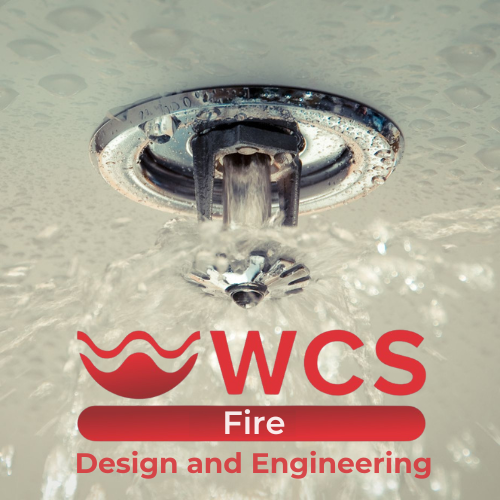
Fire safety isn’t just a legal box to tick — it’s a strategic imperative for businesses, facilities and communities across South Africa. Whether you’re operating a warehouse, factory, office block or retail centre, a robust fire suppression strategy can mean the difference between a minor incident and a devastating loss.
🧯 What Is Fire Suppression?
Fire suppression refers to the systems and technologies designed to detect, control, and extinguish fires automatically or semi-automatically. This includes everything from traditional sprinkler systems to advanced gaseous or mist-based solutions — each tailored to specific environments and risks.
🇿🇦 Compliance with South African Standards
In South Africa, fire suppression systems must align with national building and safety codes, such as:
SANS 10287 — for design and installation of fire sprinkler systems. Compliance ensures systems activate rapidly with appropriate water pressures and coverage.
SANS 10139 — fire detection system standards.
SANS 14520 — for gaseous suppression systems.
SANS 10400-T — part of the National Building Regulations covering fire safety in buildings, including integration of smoke control with sprinklers.
Properly designed and certified installations not only reduce legal and insurance risk but also protect lives and minimise downtime when fires occur.
🔧 Modern Suppression Technologies
South African fire protection providers integrate a range of advanced solutions, such as:
Water-based systems (traditional and ESFR sprinklers) for broad coverage in warehouses and commercial sites.
Gaseous suppression (clean agents or inert gases) for sensitive equipment environments like data centres and telecom rooms.
Localised systems that target high-risk components like engines, conveyor belts or transformers to extinguish fires at the source.
Aerosol and dry solutions for electrical or specialized industrial hazards where water and foam would be unsuitable.
These technologies are deployed by experienced firms across South Africa, leveraging international best practices and South African standards to ensure reliable performance when it matters most.
📊 Why This Matters for Businesses
Fire incidents can cripple operations, harm employees and result in catastrophic loss. A comprehensive fire suppression plan:
✔ Protects life safety
✔ Maintains compliance with municipal and national codes
✔ Reduces insurance premiums and liability
✔ Safeguards business continuity
Routine inspection and maintenance are equally vital — poorly maintained systems can fail during emergencies. Many regulatory authorities require documented tests and records of maintenance activities.