
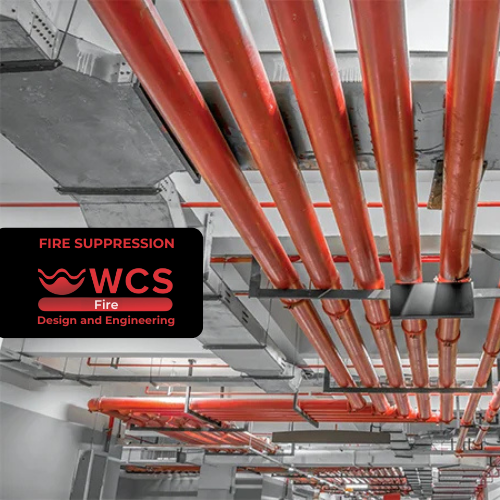
What if your fire suppression system could detect a threat before flames fully develop, suppress it in seconds, minimize environmental impact, and reduce downtime — all automatically?
Fire safety is no longer just about compliance. It’s about intelligent protection, operational continuity, and sustainability. The latest innovations in fire suppression systems are transforming how businesses protect assets, people, and critical infrastructure.
Let’s explore what’s new — and how smarter, faster, and greener protection is reshaping the future of fire safety.
The Evolution of Fire Suppression Systems
Traditional systems focused on activation after significant heat or smoke detection. Today’s advanced systems are built around:
Early detection technology
Precision-based suppression
Environmentally responsible agents
Smart monitoring and automation
Companies like Johnson Controls and Siemens are leading innovation in intelligent building safety systems, integrating fire suppression into broader smart-building ecosystems.
The result? Faster response times, reduced damage, and improved business continuity.
Smarter: Intelligent Detection & Real-Time Monitoring
Modern fire suppression systems are now powered by:
1. AI-Enhanced Detection
Advanced smoke and heat sensors use algorithms to differentiate between real fire threats and false alarms.
2. Integrated Building Management Systems
Fire systems now connect to HVAC, access control, and alarm systems, enabling coordinated emergency responses.
3. Remote Monitoring & Diagnostics
Facility managers can monitor system health remotely and receive predictive maintenance alerts.
Practical Tip:
Schedule quarterly system health checks and ensure your fire suppression system is integrated into your building management platform. Early fault detection prevents failure during an emergency.
Faster: Rapid Response Means Reduced Damage
Speed is everything in fire suppression.
New technologies include:
Aspirating Smoke Detection (ASD) for ultra-early warning
High-pressure water mist systems for rapid cooling
Clean agent systems for instant discharge in sensitive environments
For example, data centres and financial institutions cannot afford downtime. Clean agent suppression extinguishes fire without damaging electronics, reducing recovery time dramatically.
Actionable Insight:
If your business relies on IT infrastructure, consider upgrading to a clean agent or water mist system rather than relying solely on traditional sprinklers.
Greener: Sustainable & Environmentally Responsible Protection
Environmental compliance is now a major factor in fire safety decisions.
Older suppression agents had high global warming potential. New-generation agents are:
Low in environmental impact
Ozone-friendly
Safe for occupied spaces
Designed for minimal water usage
Water mist systems use significantly less water than conventional sprinklers, reducing water damage and environmental footprint.
Sustainability isn’t just good for the planet — it also improves your corporate responsibility profile.
Compliance & Financial Considerations: Why It Matters
Fire suppression upgrades may qualify as capital improvements depending on your business structure. In South Africa, companies should always ensure proper classification and reporting with South African Revenue Service (SARS).
While this article focuses on fire protection, businesses must remember that financial compliance — including accurate Tax planning and asset recording — supports overall operational resilience.
Proper documentation ensures:
Regulatory compliance
Insurance validation
Accurate depreciation claims
Avoidance of SARS-related penalties
Where Modern Fire Suppression Is Making the Biggest Impact
Today’s systems are particularly critical in:
Data centres
Warehouses & logistics hubs
Healthcare facilities
Manufacturing plants
Commercial office buildings
Each environment requires tailored solutions — a one-size-fits-all approach no longer works.
How to Upgrade Your Fire Suppression System (Step-by-Step)
If you’re considering modernization, follow these steps:
Conduct a professional risk assessment
Identify high-value and high-risk zones
Evaluate system age and compliance status
Assess environmental impact of current suppression agents
Integrate fire suppression with your broader safety strategy
Review financial reporting and Tax treatment with your accountant
The Business Case for Smarter Fire Protection
Upgrading your fire suppression system delivers measurable benefits:
Reduced downtime
Lower repair costs
Insurance premium advantages
Improved compliance with safety standards
Stronger sustainability credentials
Modern systems don’t just extinguish fires — they protect revenue, reputation, and regulatory standing.
The Future Is Proactive, Not Reactive
The biggest shift in fire suppression is mindset.
We’ve moved from reactive fire response to proactive risk management.
Smart detection, rapid suppression, and greener technology are no longer optional upgrades — they are essential investments in business continuity.
Ready to Future-Proof Your Fire Protection?
Now is the time to assess whether your current fire suppression system meets modern standards for intelligence, speed, and sustainability.
A professional audit can identify gaps, compliance risks, and upgrade opportunities — ensuring your business remains protected and aligned with regulatory requirements, including proper Tax treatment where applicable.
Don’t wait for a fire incident to reveal weaknesses.
Upgrade to smarter, faster, greener protection today — and safeguard what matters most.
If you’d like a professional fire risk assessment or system upgrade consultation, contact a certified fire protection specialist and take the first step toward future-ready safety.