
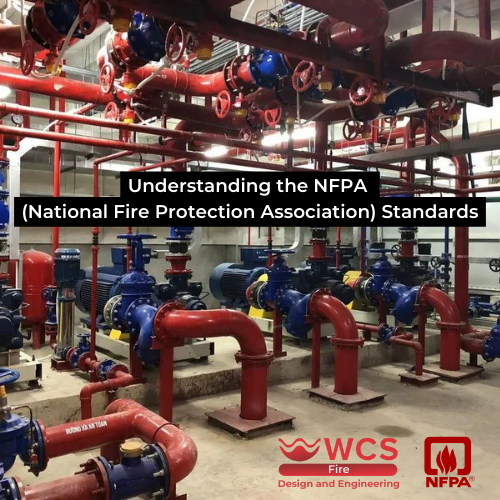
Understanding the NFPA (National Fire Protection Association) Standards
In the realm of fire safety and prevention, standards play a crucial role in ensuring the safety of individuals, properties, and communities. One such pivotal standard-setting organization is the National Fire Protection Association (NFPA), whose guidelines and codes are widely recognized and implemented globally.
What is the NFPA?
The NFPA is a non-profit organization dedicated to reducing the burden of fire hazards by providing and advocating scientifically-based consensus codes and standards, research, training, and education. Founded in 1896, NFPA has grown to become a leading authority on fire prevention and safety measures.
NFPA Standards: Ensuring Safety and Compliance
NFPA standards encompass a wide range of topics beyond just firefighting techniques and equipment. They cover areas such as electrical systems, building construction, hazardous materials, industrial processes, and more. Each standard is meticulously developed through a consensus-based process involving experts from various industries, government agencies, academia, and public interest groups.
These standards are continuously updated to reflect advancements in technology, changes in regulatory requirements, and lessons learned from past incidents. They provide a benchmark for best practices, ensuring that professionals in relevant fields have the necessary guidelines to mitigate fire risks effectively.
Key Components of NFPA Standards
Codes and Regulations: NFPA publishes over 300 codes and standards, each focusing on different aspects of fire safety and prevention. These documents are regularly revised to incorporate new research findings and technological advancements.
Training and Education: Beyond standards, NFPA offers training programs and educational resources to empower individuals and organizations to implement these standards effectively. This ensures that the knowledge and skills needed to uphold fire safety measures are widely disseminated.
Global Impact: While based in the United States, NFPA standards have a global reach and influence. Many countries adopt NFPA standards or use them as a reference point for developing their own regulations, making them a cornerstone of international fire safety efforts.
Implementing NFPA Standards
For industries and organizations, compliance with NFPA standards is often mandatory, enforced through building codes, fire regulations, and industry-specific requirements. Compliance not only enhances safety but also minimizes legal and financial risks associated with fire incidents.
Conclusion
In conclusion, the NFPA standards are more than just guidelines; they are a comprehensive framework designed to protect lives, property, and the environment from fire hazards. By adhering to these standards, stakeholders can contribute to safer communities and workplaces, ensuring that fire prevention measures remain robust and effective. Read more here:
As fire safety continues to evolve, NFPA remains at the forefront, driving innovation and setting the bar for excellence in fire prevention worldwide. https://wcsfire.co.za/wcs-construction/
Understanding the NFPA (National Fire Protection Association) Standards -Stay informed, stay safe.