
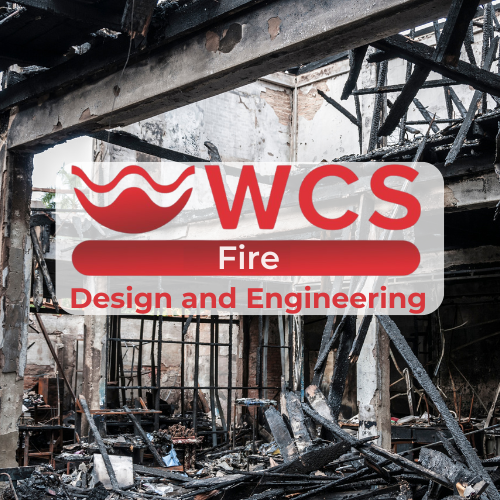
Fire safety in South Africa has reached a critical point. With increasing incidents of structural fires, informal settlement blazes, industrial accidents, and ageing infrastructure, the consequences of neglecting fire safety are more severe than ever. Fire safety is no longer just a regulatory requirement — it is a moral, operational, and financial necessity.
Rising Fire Incidents Across the Country
South Africa continues to experience a high number of fire-related incidents every year, affecting homes, businesses, factories, schools, and healthcare facilities. Informal settlements remain particularly vulnerable, but commercial and industrial properties are also at risk due to outdated systems, non-compliance, and lack of maintenance.
These fires result in:
Loss of life and serious injuries
Destruction of property and livelihoods
Business interruption and financial loss
Increased pressure on emergency services
Many of these incidents are preventable with proper fire safety planning and systems in place.
Stricter Legal and Compliance Requirements
South African fire safety regulations, including SANS 10400-T, SANS 10287, and municipal by-laws, place clear responsibilities on property owners, employers, and facility managers. Non-compliance can lead to:
Heavy fines and penalties
Closure of buildings or businesses
Legal liability in the event of injury or death
Invalidated insurance claims
Fire safety is no longer something that can be addressed “later” — authorities and insurers are enforcing compliance more strictly than ever.
Ageing Infrastructure and Poor Maintenance
Many buildings in South Africa were constructed decades ago and were never designed to handle modern fire risks such as:
Increased electrical loads
Modern machinery and equipment
High occupant densities
Without regular fire risk assessments, system upgrades, and maintenance, these buildings become ticking time bombs.
The True Cost of Ignoring Fire Safety
While some organisations see fire safety as an expense, the reality is that ignoring fire safety is far more costly. The aftermath of a fire often includes:
Long-term business shutdowns
Loss of customer trust and reputation
Increased insurance premiums
Irreversible human and environmental damage
Investing in fire detection, suppression systems, training, and compliance saves lives — and money.
Fire Safety Is Everyone’s Responsibility
Fire safety is not only the responsibility of fire officers or inspectors. It requires a collective effort from:
Business owners and directors
Facility and building managers
Employees and occupants
Fire safety professionals
Regular training, emergency planning, and awareness can significantly reduce the risk and impact of fires.
Conclusion
Fire safety can no longer be ignored in South Africa. The risks are real, the regulations are clear, and the consequences of inaction are devastating. Proactive fire safety planning protects lives, assets, and the future of businesses and communities.
Now is the time to act — before the next fire does.